MED0001535106. This website contains imagery which is only suitable for audiences 18+. All surgery contains risks, read more here


Breast Augmentation in Perth, WA

Increase size and reshape

For breast augmentation, you should visit a specialist plastic surgeon.

Book A Consultation

breastbanner-page-img

Breast augmentation, also referred to as augmentation mammoplasty, is a procedure considered by individuals who wish to alter the size or shape of their breasts using implants or fat transfer. People enquire about breast augmentation surgery in Perth for a range of reasons, including restoring volume after pregnancy or weight change, addressing differences in breast size, or reshaping the breasts. At his Perth practice, Dr Mark Hanikeri provides consultations for patients wishing to understand whether breast augmentation may be appropriate for their circumstances. This page outlines the consultation process, the implant and fat transfer options, the procedure, recovery, costs and risks, so that you can read through the relevant information before arranging an appointment.

Dr Hanikeri is a qualified Specialist Plastic Surgeon (FRACS in Plastic Surgery), and consultations are available at his rooms in Subiaco, Murdoch and Albany.

When Breast Augmentation May Be Considered

Individuals consider breast augmentation in Perth for a variety of personal and physical reasons. Common reasons people enquire about the procedure include:

  • Naturally smaller breast volume than the individual would prefer
  • Changes in breast volume or shape following pregnancy or breastfeeding
  • Changes following significant weight loss
  • Differences in size or shape between the two breasts
  • A wish to discuss options for increasing breast volume in the upper part of the breast

Breast augmentation is a personal decision, and suitability varies between individuals. The decision to proceed should be made after a full understanding of the procedure, the options available, recovery and possible risks, discussed during a consultation with an appropriately qualified surgeon.

Eligibility and Pre-Surgery Considerations

Before undergoing breast augmentation surgery in Perth, several factors are taken into account during the assessment process. These help determine whether the procedure is likely to be suitable for a given patient.

General health and stable weight. Overall health and a stable weight are considered during assessment, as significant weight change after surgery can affect the result.

Breast development. Breast augmentation is generally considered once the breasts are fully developed.

Smoking status. Smoking is known to affect wound healing and may increase surgical risks. Patients are generally asked to stop smoking for a period before and after surgery.

Realistic expectations. A clear understanding of what the procedure can and cannot achieve is an important part of the assessment, as outcomes vary between individuals.

These considerations are reviewed individually during the consultation, where Dr Hanikeri will discuss whether breast augmentation is an appropriate option for your circumstances.

Breast Augmentation

Before and After Gallery

Dr Hanikeri has helped hundreds of patients over the years achieve their desired results.

View Full Gallery

Bilateral submuscularbreast augmentationusing Motiva Ergonomix, 325cc 1

Breast Augmentation

Bilateral submuscular breast augmentation using Mentor Anatomical, 330cc implants -4

Breast Augmentation

Bilateral submuscular breast augmentation using Mentor Anatomical, 430cc implants -5

Breast Augmentation

Bilateral asymmetric submuscular breast augmentation - 1

Breast Augmentation

Breast Augmentation

breast augmentation 56.1

Breast Augmentation

01

Disclaimer: The outcomes shown are only relevant for this patient and do not necessarily reflect the results other patients may experience, as results may vary due to many factors including the individual’s genetics, diet and exercise.

Your Consultation with Dr Hanikeri

During consultation, Dr Hanikeri discusses your concerns, medical history and what you would like to understand about the procedure. The aim is to ensure you have the information needed to consider your options carefully.

At your consultation, you will:

  • Discuss your reasons for considering breast augmentation
  • Understand the implant and fat transfer options that may be relevant to you
  • Understand the procedure, potential risks, and recovery timeline
  • Discuss potential surgical approaches based on your individual circumstances
  • Receive a Surgical Fee Estimate outlining the anticipated costs associated with the proposed procedure

A second opinion from an appropriately qualified practitioner is recommended before making any final decision about surgery. Further information about Dr Hanikeri’s training and qualifications is available on the About Us and Choosing a Surgeon pages, and general preparation information is set out on the Surgery Fees & Preparation page.

Implant Options: Type, Shape and Placement

Breast implants are medical devices used to alter breast volume and shape. Implant selection is individual and is discussed in detail during consultation. Several factors are considered.

Implant filling. Most implants used today contain cohesive silicone gel. They are available in a range of sizes, profiles and shapes.

Implant shape. Implants are commonly described as round or anatomical (teardrop). The choice depends on individual anatomy and the outcome being discussed.

Implant profile. Profile refers to how far the implant projects from the chest wall. Different profiles suit different body proportions.

Implant placement. Implants may be positioned in different ways relative to the chest muscle:

  • Subglandular | behind the breast tissue, above the chest muscle
  • Submuscular or dual-plane | partly or fully beneath the chest muscle

Each placement has its own considerations, which are discussed during consultation. Implants are not considered lifetime devices, and some patients may need further surgery over time if a complication arises, if the implant ages, or if they wish to change or remove their implants.

Fat Transfer Breast Augmentation

An alternative approach that may be discussed during consultation is fat transfer breast augmentation. This involves transferring a patient’s own fat to the breasts. Suitability varies between individuals and will be assessed during consultation.

Fat transfer may be discussed for patients seeking a smaller change in size, or in combination with other procedures. Not every patient is suitable for this technique. Your surgeon will explain whether fat grafting, implants, or a combination may be considered for your individual situation, including the limits of how much volume change is achievable.

Combined Breast Lift and Augmentation

A combined breast lift and augmentation may be considered when additional volume is desired along with repositioning of the breast tissue and nipple, often where there is breast ptosis (drooping) or reduced skin elasticity following pregnancy or weight change.

This combined procedure is more complex than augmentation alone. It involves additional incisions and scarring, and different recovery and planning considerations. Suitability is assessed during consultation, based on breast skin quality, nipple position, breast volume and individual goals. Further information is available on the Breast Lift (Mastopexy) page.

How Breast Augmentation Surgery Is Performed

Breast augmentation is performed under general anaesthetic in an accredited hospital. The procedure typically follows these stages:

  1. An incision is made, most commonly in the breast crease (inframammary fold), although other approaches may be used depending on the surgical plan
  2. A pocket is created beneath the breast tissue or chest muscle
  3. The implant is placed in the pocket, or for fat transfer, processed fat is injected into the breast tissue in multiple layers
  4. The incisions are closed with sutures

The procedure typically takes one to two hours. For fat transfer, surgery time will be longer. The surgical approach used depends on factors such as breast size, skin quality, tissue distribution and the options being considered.

Recovery and Aftercare

Recovery from breast augmentation surgery varies between individuals. General aftercare typically includes:

  • Wearing a support garment as advised for several weeks to support healing
  • Avoiding heavy lifting and strenuous activity during the early recovery phase
  • Following wound care instructions provided after surgery
  • Attending scheduled follow-up appointments

Swelling and bruising are common in the first few weeks. Recovery timelines vary between individuals. Many patients are able to return to some light activities within one to two weeks, depending on their circumstances and the procedure performed, with strenuous exercise generally avoided for around four to six weeks. Following surgery, implants may sit higher on the chest initially and can change position over the following months as tissues adjust and swelling subsides. Patients are given detailed aftercare instructions, and follow-up appointments allow Dr Hanikeri to monitor healing throughout the recovery period.

Examples of patient outcomes at different stages can be reviewed in the breast augmentation gallery.

Risks and Considerations

As with any surgery, breast augmentation carries risks. Potential issues discussed during consultation include:

  • Bleeding or infection
  • Changes in nipple or breast sensation
  • Scarring
  • Capsular contracture (tightening of the scar tissue around the implant)
  • Implant rupture or the need for repeat procedures over time
  • Rare complications, including breast implant-associated anaplastic large cell lymphoma (BIA-ALCL)

The likelihood and significance of risks vary between individuals and depend on a range of factors including the procedure performed, medical history and individual healing responses.

Your surgeon will provide a written outline of risks at consultation and discuss these in detail. Further information is available on the Surgery Risks and Complications page. All surgical procedures carry risks, and a second opinion from an appropriately qualified practitioner is recommended before proceeding.

Costs of Breast Augmentation in Perth

The cost of breast augmentation in Perth depends on several factors, including the surgeon’s fee, the anaesthetist’s fee, hospital fees, the type of implant or procedure, and any applicable prosthesis or pharmacy charges.

A personalised quote is provided following consultation, covering all cost components. As a Specialist Plastic Surgeon, Dr Hanikeri complies with AHPRA guidelines and cannot promote third-party finance plans. A comprehensive written quote is provided so that out-of-pocket costs are clear before any decision is made.

Where Dr Hanikeri Consults in Perth and Western Australia

Dr Hanikeri consults at three locations across Perth and regional Western Australia:

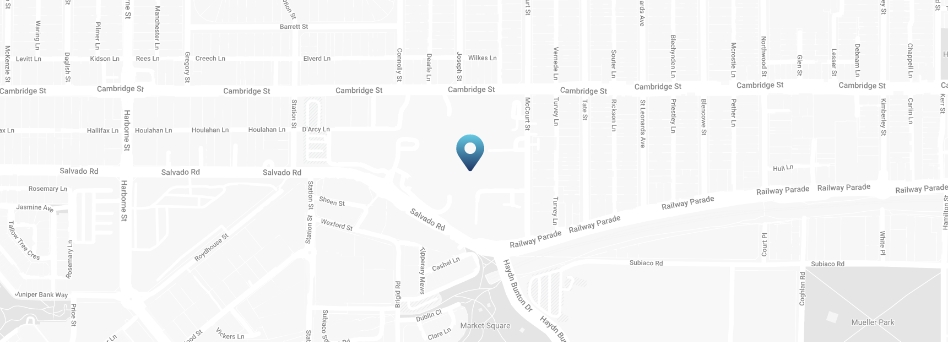
  • Subiaco: Suite 215, 25 McCourt Street, Subiaco WA 6008
  • Murdoch: Suite 51, Wexford Medical Centre, 3 Barry Marshall Parade, Murdoch WA 6150
  • Albany: Great Southern Specialist Centre, 55 Cockburn Road, Mira Mar WA 6330

Surgery is performed at accredited visiting hospitals including Bethesda Hospital, St John of God Hospital Subiaco, West Leederville Private Hospital and Albany Day Hospital.

Next Steps: Consultation in Perth

If you are considering breast augmentation surgery in Perth, the first step is to obtain a referral from your GP. This allows you to book a consultation with a Specialist Plastic Surgeon, where your medical history, goals and suitability for the procedure can be discussed in detail. To arrange a consultation, please visit our Contact Us page. For information on related procedures, you may also wish to read about breast lift surgery or breast implant removal.

Note: All surgical procedures carry risks. Individual results may vary. A second opinion from an appropriately qualified practitioner is recommended.

Breast Augmentation FAQs

How much does breast augmentation cost in Perth?

The cost depends on the surgeon’s fee, anaesthetist’s fee, hospital fees, and the type of implant or procedure. A personalised written quote is provided at consultation so that out-of-pocket costs are clear before any decision is made.

What is the difference between silicone implants and fat transfer?

Silicone implants are medical devices placed in the breast to add volume and shape. Fat transfer uses a patient’s own fat to alter breast volume. Suitability for this approach is assessed individually during consultation.

How long is recovery after breast augmentation?

Recovery varies between individuals. Many patients are able to return to some light activities within one to two weeks, with strenuous exercise generally avoided for around four to six weeks. Your surgeon will provide personalised guidance.

Are breast implants safe?

Breast implants are medical devices that have recognised risks and potential complications, including rare conditions such as BIA-ALCL. These risks, along with alternative options, are discussed during consultation to help patients make an informed decision.

How long do breast implants last?

Breast implants are not considered lifetime devices. Some patients may need further surgery over time if a complication arises, if the implant ages, or if they wish to change or remove their implants.

Can I breastfeed after breast augmentation?

Many individuals are able to breastfeed after breast augmentation; however, every case is different. This is discussed in detail during consultation.

What is the difference between breast augmentation and a breast lift?

Breast augmentation adds volume using implants or fat transfer. A breast lift (mastopexy) repositions and reshapes the breast without significantly adding volume. The two procedures may be combined in some cases.

Will I need to replace my implants in the future?

Implants are not considered permanent. Some patients require revision surgery over time. This is discussed as part of the long-term considerations at consultation. Further information is available on the Breast Implant Removal page.

What implant size or profile is right for me?

Implant selection depends on individual anatomy, body proportions and the outcome discussed. There is no single right choice, and this is considered carefully during consultation rather than decided in advance.

Does Medicare or private health insurance cover breast augmentation?

Breast augmentation performed for cosmetic reasons is generally not covered by Medicare or private health insurance. Eligibility for any rebate depends on individual circumstances and is discussed at consultation.

Are breast implants and breast augmentation the same procedure?

Yes. “Boob job” is a common informal term patients use when searching for breast augmentation, but the clinical term covers the surgical procedure that uses either implants or fat transfer to alter breast size or shape. Dr Hanikeri, Specialist Plastic Surgeon (MED0001535106), applies the same rigorous clinical assessment, risk evaluation, and consultation process regardless of the terminology used.

Any surgical or invasive procedure carries risks, including infection, scarring, and complications requiring further surgery. Before proceeding, you should seek a second opinion from an appropriately qualified health practitioner. For full details on risks and recovery, please visit surgery risks and complications.

Schedule a consultation with our specialist plastic surgeon today.